
비 예보에도 불구하고 칼라바르손 일부 지역에 위험한 폭염 지속

 투어필리핀
투어필리핀
본문
환경 | 출처: Inquirer.net | 원문보기: Inquirer.net
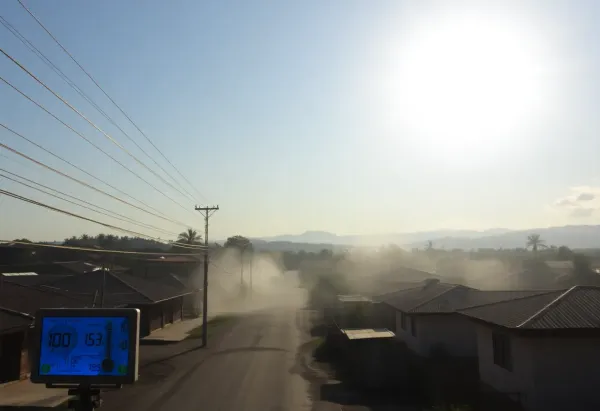
LUCENA CITY – Although the rainy season is imminent, dangerous heat levels are still expected in some parts of Calabarzon on Friday. The provinces of Cavite, Batangas, and Rizal, three of the five provinces in the Calabarzon region, will continue to experience high heat index values. Local authorities in Taytay, Rizal have reported extreme temperatures despite the approaching rainfall.
The persistent heat is attributed to prevailing weather patterns affecting these provinces. While the rainy season typically brings relief from high temperatures, localized climatic conditions have kept temperatures elevated. Residents are being advised to take precautions against heat-related risks amid this unusual weather persistence.
In particular, Taytay officials issued warnings after the heat index soared to 46.69 degrees Celsius, a level considered dangerous to health. This situation has raised concerns for vulnerable populations, including the elderly and children, prompting authorities to urge the public to stay hydrated and avoid prolonged sun exposure. The weather bureau continues monitoring the conditions closely.
Looking ahead, the weather situation may improve as rains develop, but residents are encouraged to stay updated through reliable sources. For ongoing coverage and related reports on Philippine weather and environment, please visit 하루 필리핀 뉴스.
Calabarzon’s Weather Patterns Amid Transition to Rainy Season
Calabarzon, comprising Cavite, Laguna, Batangas, Rizal, and Quezon provinces, is currently experiencing varied weather conditions as the rainy season approaches. Despite typical expectations for cooling with early rains, several areas are still under the influence of strong heat due to specific atmospheric dynamics.
These conditions include stable high-pressure systems and limited cloud cover during the daytime, which cause temperatures to rise sharply. This phenomenon delays the usual temperature drop associated with initial monsoon rains. As a result, residents in some localities continue to face heat stress risks.
Meteorological agencies have highlighted the need for vigilance given this weather variability. The persistence of extreme heat in Cavite, Batangas, and Rizal reflects an irregular transition period between the dry and wet seasons in the region.
Authorities emphasize the importance of monitoring weather warnings to prepare for both heat hazards and intensified rainfall expected in subsequent days. This dual challenge demands coordinated public health and safety responses.
Health Risks and Precautionary Measures
The heat index in Taytay, Rizal has reached a dangerous level of 46.69 degrees Celsius, highlighting the risk of heat-related illnesses. Such conditions can induce heat exhaustion, dehydration, and even heat stroke among vulnerable groups.
Local governments and health departments are advising residents to remain indoors during peak heat hours and increase fluid intake. Wearing light, breathable clothing and avoiding strenuous outdoor activities are key preventive steps.
Public advisories also recommend checking on elderly neighbors and those with pre-existing health conditions who might be more susceptible to heat impacts. Cooling centers and shaded public areas have been set up in some municipalities to provide relief.
The health sector is coordinating with weather agencies to issue timely updates and guidelines. Residents are urged to stay informed through official channels and report any instances of heat-related symptoms to medical facilities promptly.
Community and Government Response
Local authorities in the affected provinces have increased public information campaigns to raise awareness about the ongoing heat threat. Emergency measures, including water distribution points and patrols, have been implemented to support communities.
Schools and workplaces have been advised to adjust schedules to avoid outdoor exposure during the hottest hours. Moreover, some municipalities are preparing for the expected arrival of rains by reinforcing drainage systems and issuing flood preparedness warnings.
Coordination between environmental agencies and local governments aims to balance the challenges of extreme heat followed by heavy rainfall. This integrated approach focuses on minimizing health hazards and infrastructure damage.
For detailed reports and further updates, readers can refer to 하루뉴스, which provides comprehensive coverage on weather developments impacting the Philippines.
댓글목록0
댓글 포인트 안내